
Psychological Manipulation at Play
Casinos are meticulously crafted environments that leverage a profound understanding of human psychology to encourage players to engage for extended periods. One of the most effective strategies employed is the creation of immersive spaces that stimulate the senses. Bright lights, captivating sounds, and vibrant colors collaborate to form an atmosphere that is both exhilarating and overwhelming, especially in no verification casinos , where the thrill of the game can lead to longer play sessions. This sensory overload effectively keeps players focused on the excitement surrounding them, leading them to lose track of time and continue playing longer than they initially intended.
Moreover, the physical layout of a casino is designed to enhance feelings of excitement and urgency. Slot machines and gaming tables are often clustered in a way that creates a maze-like experience, drawing players in and encouraging exploration. By deliberately avoiding clocks and windows, casinos further isolate players from the outside world, making it easier for them to forget the passing hours. This intentional manipulation of the environment fosters a sense of urgency, compelling players to keep playing as they become engrossed in the overall experience.
Another psychological tactic employed by casinos is the phenomenon of near misses. When players experience close-call moments, their brains release dopamine, a chemical associated with pleasure that encourages continued play. Casino games are intentionally designed to create frequent small wins or near-wins, sustaining excitement and interest. This clever psychological manipulation ensures that players remain engaged, convinced that their next big win is just around the corner, thereby prolonging their time spent at the gaming tables or machines.
Rewards and Incentives
Casinos frequently implement loyalty programs and rewards systems that incentivize players to stay longer and return more often. These programs can offer a wide array of benefits, such as complimentary meals, drinks, or exclusive invitations to special events. The underlying principle is straightforward: the more players spend, the more rewards they accumulate. This sense of value and investment in the casino experience encourages players to engage more frequently and for extended periods, all while hoping to gather more rewards during their visits.
In addition to loyalty programs, casinos often utilize promotional offers to entice players into spending additional time gaming. These incentives can range from complimentary credits to special jackpots, all strategically designed to keep players engaged. When players feel they are receiving something in return for their spending, they are more inclined to overlook the financial implications of their activities. This approach not only extends playtime but also enriches the overall gaming experience, making players feel valued and appreciated.

The provision of immediate rewards, such as complimentary drinks while gambling, further contributes to prolonged play sessions. Casinos frequently offer free beverages to patrons, which can relax players and lower their inhibitions, leading to extended periods of gaming. When players are enjoying complimentary services in a vibrant atmosphere, they are less likely to leave the gaming floor, thus increasing the likelihood of continued play. This strategy effectively enhances the overall environment of the casino, encouraging players to linger longer and partake in various games and activities.
The Role of Game Design
The design of casino games is meticulously crafted to keep players engaged for as long as possible. Game mechanics that allow for quick rounds, such as slots and table games, cater to players’ desires for immediate gratification. These games are often designed to be straightforward yet sufficiently challenging to keep players coming back for more. The combination of thrilling game mechanics and the allure of potential winnings ensures that players remain captivated and continually engaged with the games.
Sound design plays a pivotal role in extending playtime as well. Games are engineered with specific auditory cues that celebrate wins, keeping players emotionally invested in their experience. The sounds of coins dropping, the chime of bells, or celebratory music create an electrifying atmosphere that compels players to stay engaged. This careful crafting of both visual and auditory experiences ensures that players remain on the casino floor for longer periods, completely absorbed in the entertainment.
Furthermore, multiplayer games leverage social dynamics to keep players engaged for extended sessions. Games like poker or blackjack not only depend on chance but also incorporate elements of skill and strategy. This social aspect enhances the gaming experience, as players interact with one another and form connections. Engaging in friendly competition and camaraderie makes the gaming experience more enjoyable, leading to an increase in the time players spend in the casino, driven by the desire to socialize while gaming.
Environmental Factors
The physical environment of a casino is purposefully designed to be an oasis of excitement and comfort, encouraging players to remain inside for longer periods. Interior designs typically feature plush seating arrangements and ample space, allowing players to feel relaxed and at ease. The overall ambiance is curated to create a luxurious experience, attracting players and encouraging them to indulge in various games and activities for extended durations. This hospitable design fosters an environment where players naturally want to linger and enjoy their time.
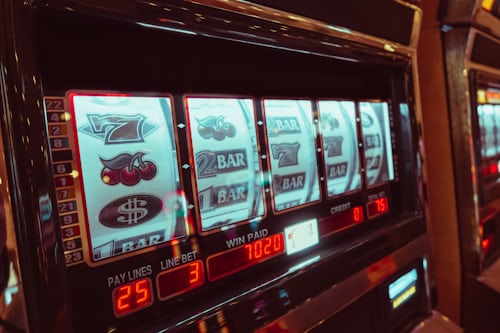
Lighting also plays a significant role in the overall experience, influencing playtime. Casinos often utilize strategic lighting to create an inviting atmosphere that feels warm and intimate. Dim lights, complemented by bright spotlights on machines, create a cozy environment that draws players in and keeps them engaged. By controlling the lighting, casinos can enhance the overall experience while making players less aware of their surroundings, including the passage of time, thus promoting longer gaming sessions.
The layout of amenities such as bars, restaurants, and restrooms is also thoughtfully planned within a casino. By ensuring that everything a player might need is conveniently located nearby, casinos reduce the likelihood of players leaving the gaming area. This careful placement, combined with the entertaining environment, encourages players to stay longer and partake in various activities, effectively increasing overall playtime and enhancing their experience.
Conclusion and Insight into Casino Websites
A comprehensive understanding of the intricate design of casinos helps to explain why they are so effective at keeping players engaged for prolonged periods. The combination of psychological tactics, rewards systems, game design, and environmental factors creates a powerful experience that encourages extended play. As players navigate through the myriad of games and promotions, they often find themselves losing track of time, completely immersed in the thrill of the gambling experience.
While many players are aware of these tactics, the allure of the casino experience often outweighs their knowledge of these strategies. Players can enjoy themselves while remaining cognizant of their gaming habits. By recognizing these design elements, players can make more informed choices about their time and finances within a casino setting.
For those looking to explore the world of gaming from the comfort of their homes, an array of casino websites offers similar experiences to physical casinos. These online platforms often employ analogous strategies to maintain player engagement, providing an enticing alternative to traditional gaming. By understanding the principles behind casino design, players can better navigate both physical and online gaming environments, ensuring a balanced and enjoyable experience tailored to their preferences.